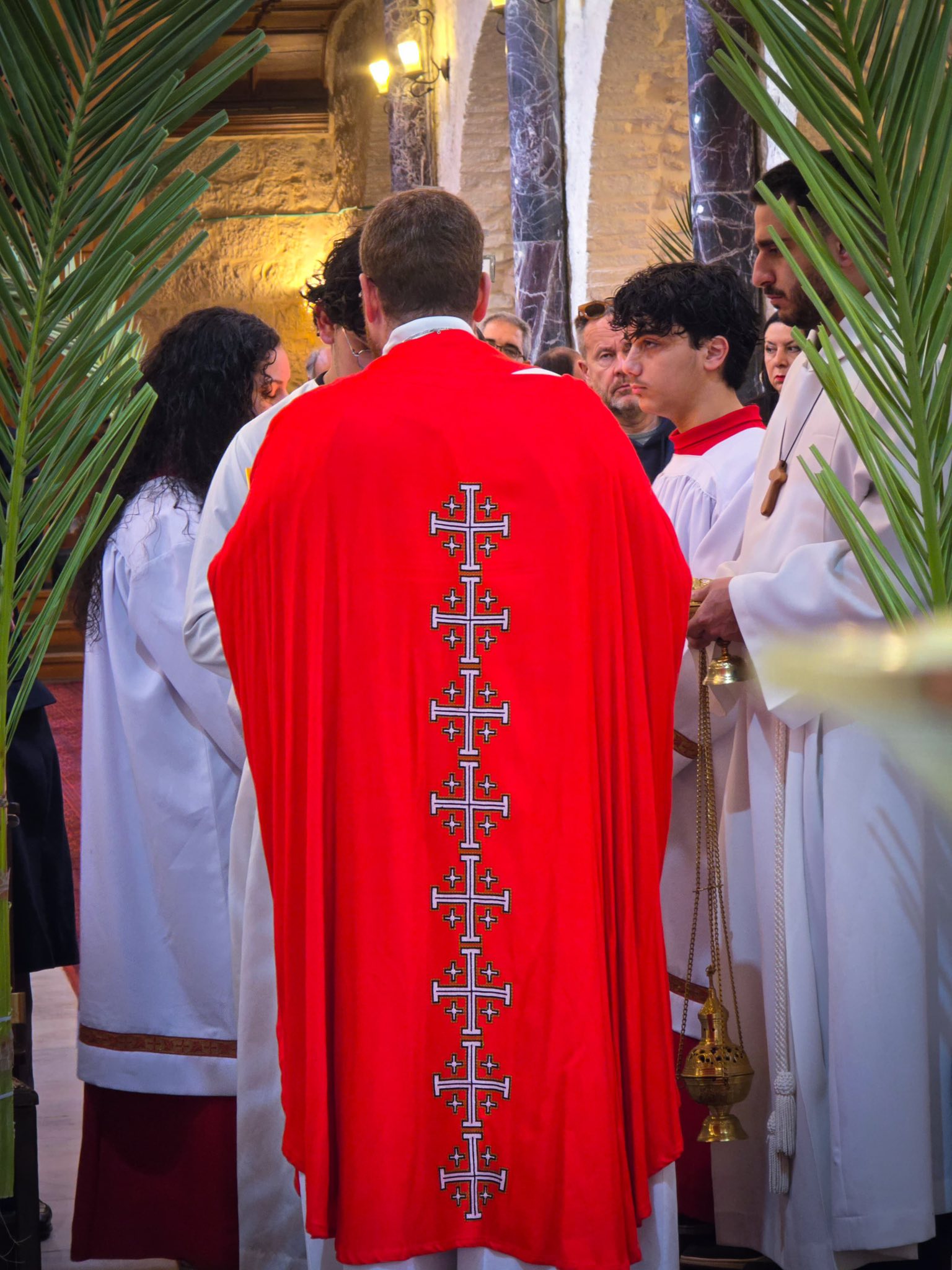
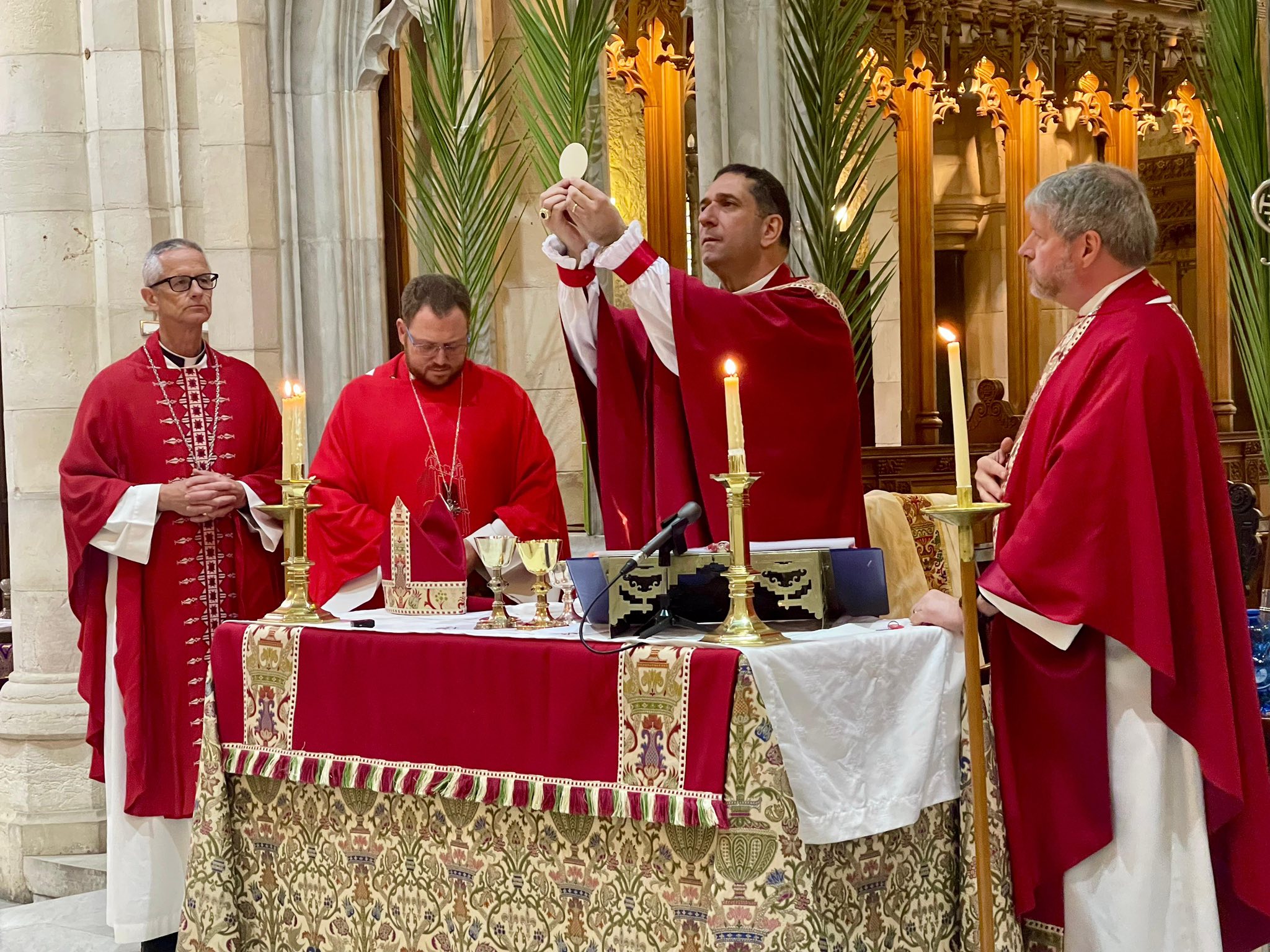
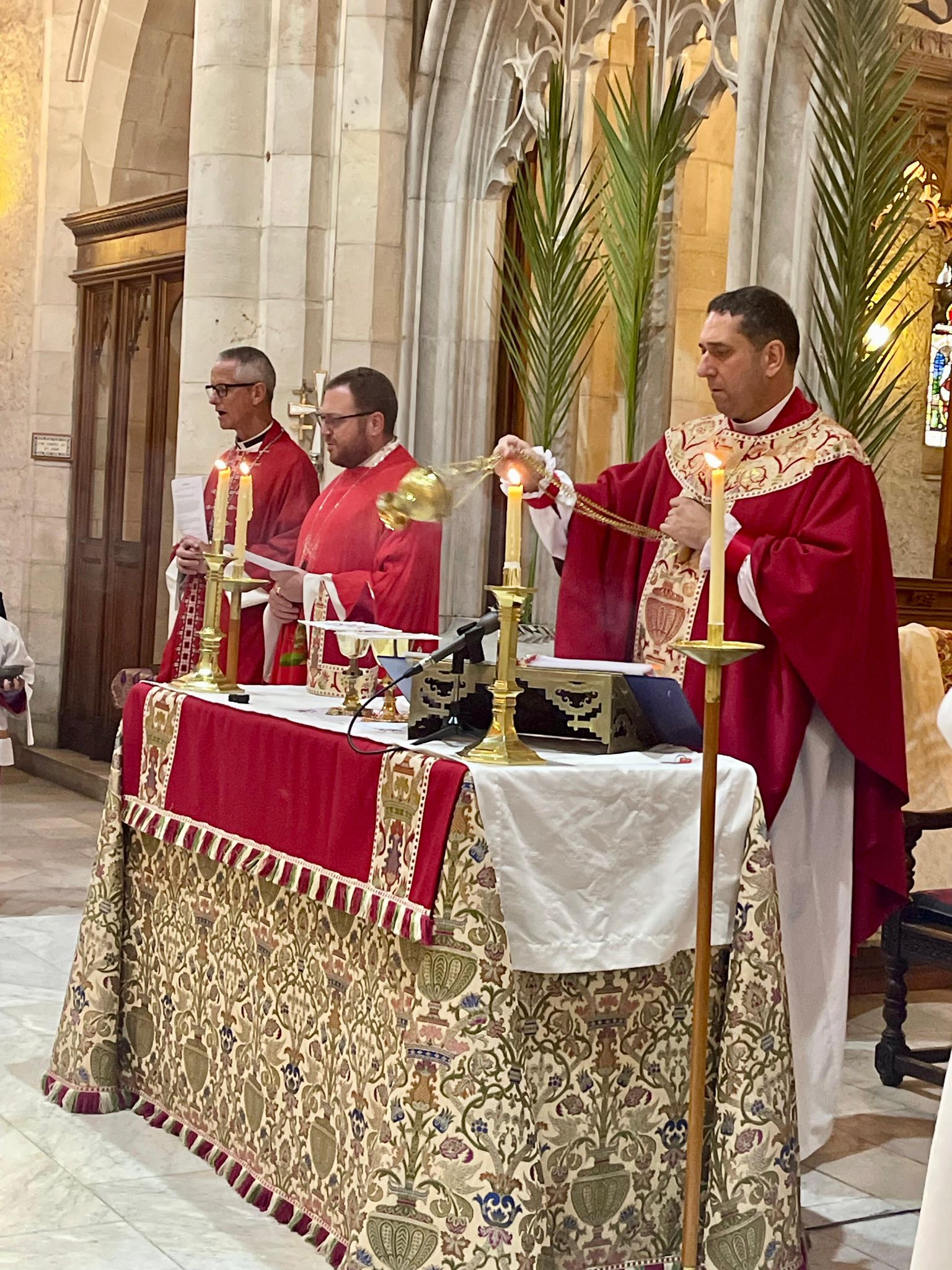
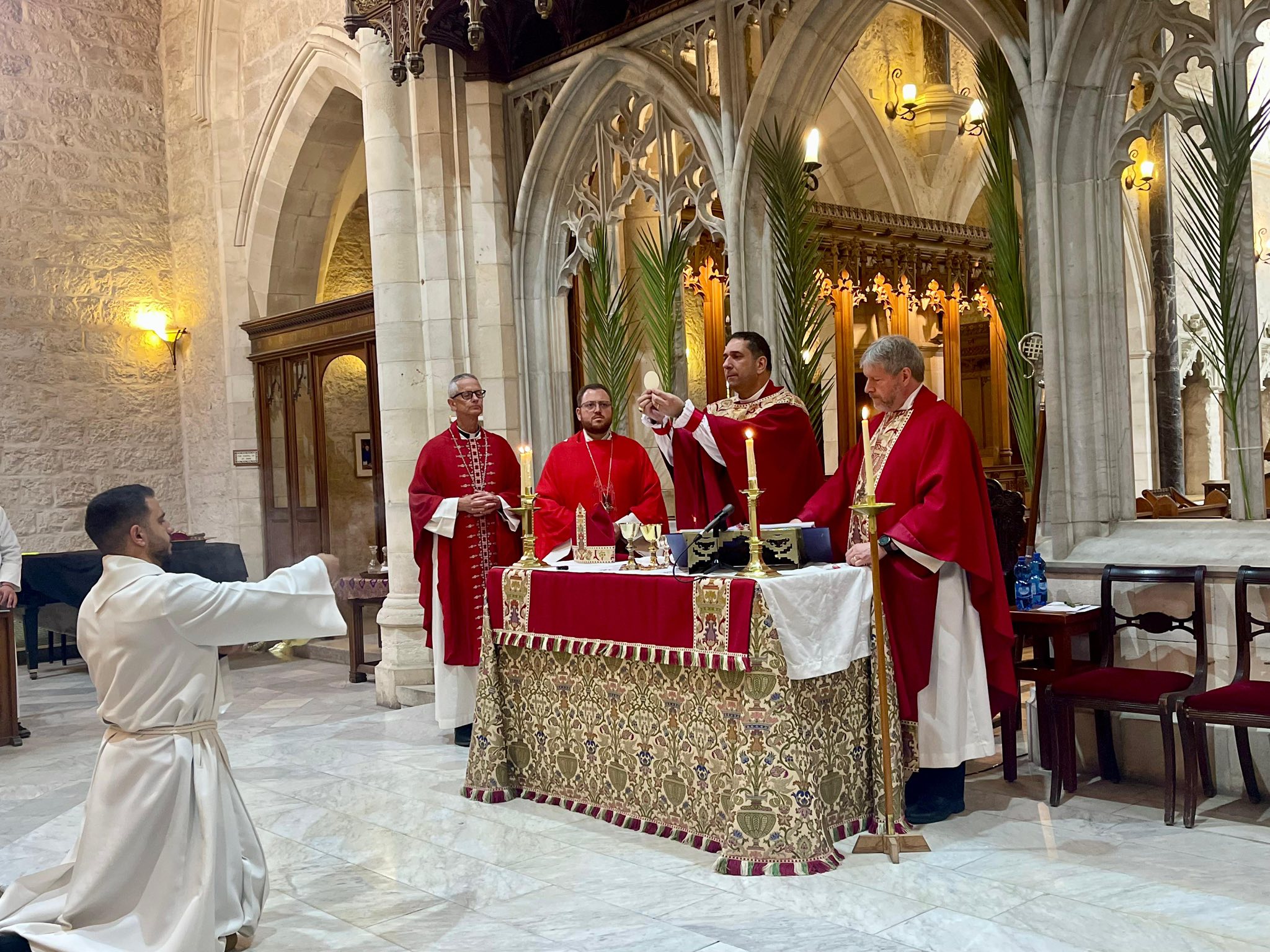
Sermon | العظة
أحد السعف او المسمى أحد الشعانين
رئيس الأساقفة حسام نعوم
القدس
أشعياء ٥٠: ٤-٩؛ فيلبي ٢: ٥-١١؛ متى ٢٧: ١١-٥٤
باسم الآب والابن والروح القدس، الإله الواحد. آمين.
أيها الأحباء في المسيح،
في أحد الشعانين، نقف على عتبة أسبوع الآلام، نحمل أغصان الزيتون ونرتل: “أوصنا لابن داود! مبارك الآتي باسم الرب!” (متى 21: 9). في هذا اليوم المقدس ندخل سرًّا عميقًا يتجدد في حياتنا، سرّ الدخول إلى أورشليم، سرّ الطريق إلى الصليب، وسرّ الرجاء الذي يشرق من القبر الفارغ.
القدس، أيها الأحباء، ليست مجرد مدينة في هذه القصة، إنما هي القلب النابض للخلاص. هي المدينة التي اختارها الله لتكون مسرحًا لأعظم أحداث الفداء. إليها توجهت خطوات الأنبياء، وفيها تمّ وعد الله لشعبه، ومنها انطلقت البشارة إلى العالم كله. وعندما اقترب يسوع من أورشليم، نظر إليها وبكى عليها (لوقا 19: 41)، لأنه يرى فيها أكثر من حجارة وشوارع—يرى تاريخ الله مع الإنسان، ويرى أيضًا قساوة القلب التي يمكن أن ترفض هذا الخلاص.
دخول يسوع إلى القدس لم يكن حادثاً عرضياً أو صدفةً، ولكنه كان قرارًا إلهيًا وتتمة للنبوءات. كما يقول الإنجيل: “وَفِيمَا هُوَ صَاعِدٌ إِلَى أُورُشَلِيمَ، كَانَ يَتَقَدَّمُهُمْ” (لوقا 19: 28). هو يسير نحو المدينة التي ستشهد آلامه، ولكنه يسير بإرادة كاملة، بمحبة كاملة، وبطاعة كاملة لمشيئة الآب.
وهنا نكتشف معنى عميقًا لدخول الرب إلى المدينة المقدسة: أن الطريق إلى المجد يمرّ عبر الصليب، وأن الدخول إلى أورشليم هو بداية مسيرة نحو القبر الفارغ.
لكن أي دخول هذا؟ أي ملك هذا الذي يدخل المدينة؟
لا يدخل يسوع كملوك الأرض، لا على خيلٍ وجيوش، بل “وَجَدَ جَحْشًا فَجَلَسَ عَلَيْهِ” (يوحنا 12: 14)، تحقيقًا للنبوة: “هُوَذَا مَلِكُكِ يَأْتِيكِ وَدِيعًا، رَاكِبًا عَلَى جَحْشٍ” (زكريا 9: 9). إنه دخول ملوكي، لكنه ملوكية من نوع آخر—ملوكية التواضع، ملوكية الإخلاء، ملوكية المحبة الباذلة.
وهنا نصل إلى عمق الرسالة التي يقدمها لنا الرسول بولس في رسالته إلى أهل فيلبي، حين يقول عن المسيح:
“الَّذِي إِذْ كَانَ فِي صُورَةِ اللهِ، لَمْ يَحْسِبْ خُلْسَةً أَنْ يَكُونَ مُعَادِلًا للهِ، لَكِنَّهُ أَخْلَى نَفْسَهُ (kenosis)، آخِذًا صُورَةَ عَبْدٍ” (فيلبي 2: 6-7).
هذا هو سرّ الشعانين: ليس مجرد دخول مظفّر، بل دخول قائم على إخلاء الذات والتواضع. المسيح لا يفرض نفسه ملكًا، بل يقدّم نفسه حباً. هذه المحبة الباذلة آلت به إلى خشبة الصليب، فأصبح الصليب عرشا. المسيح لا يطلب المجد، بل يعطي ذاته من أجل خلاص العالم.
نحن أيضًا مدعوون اليوم أن ندخل مع المسيح إلى أورشليم. ليس فقط أن نلوّح بالأغصان، بل أن نسير الطريق معه. أن ندخل إلى أسبوع الآلام كمشاركين لا كمتفرجين. أن نحمل صليبنا، كما قال الرب: “مَنْ أَرَادَ أَنْ يَأْتِي وَرَائِي، فَلْيُنْكِرْ نَفْسَهُ، وَيَحْمِلْ صَلِيبَهُ كُلَّ يَوْمٍ” (لوقا 9: 23).
الدخول الحقيقي إلى أورشليم هو دخول القلب في سرّ الفداء. هو أن نسمح للمسيح أن يدخل إلى أعماقنا، إلى أفكارنا، إلى قراراتنا، إلى علاقاتنا. هو أن نعيش الإخلاء “kenosis” في حياتنا—أن نتخلى عن أنانيتنا، عن كبريائنا، عن تمسكنا بذواتنا، لكي نمتلئ بمحبة الله.
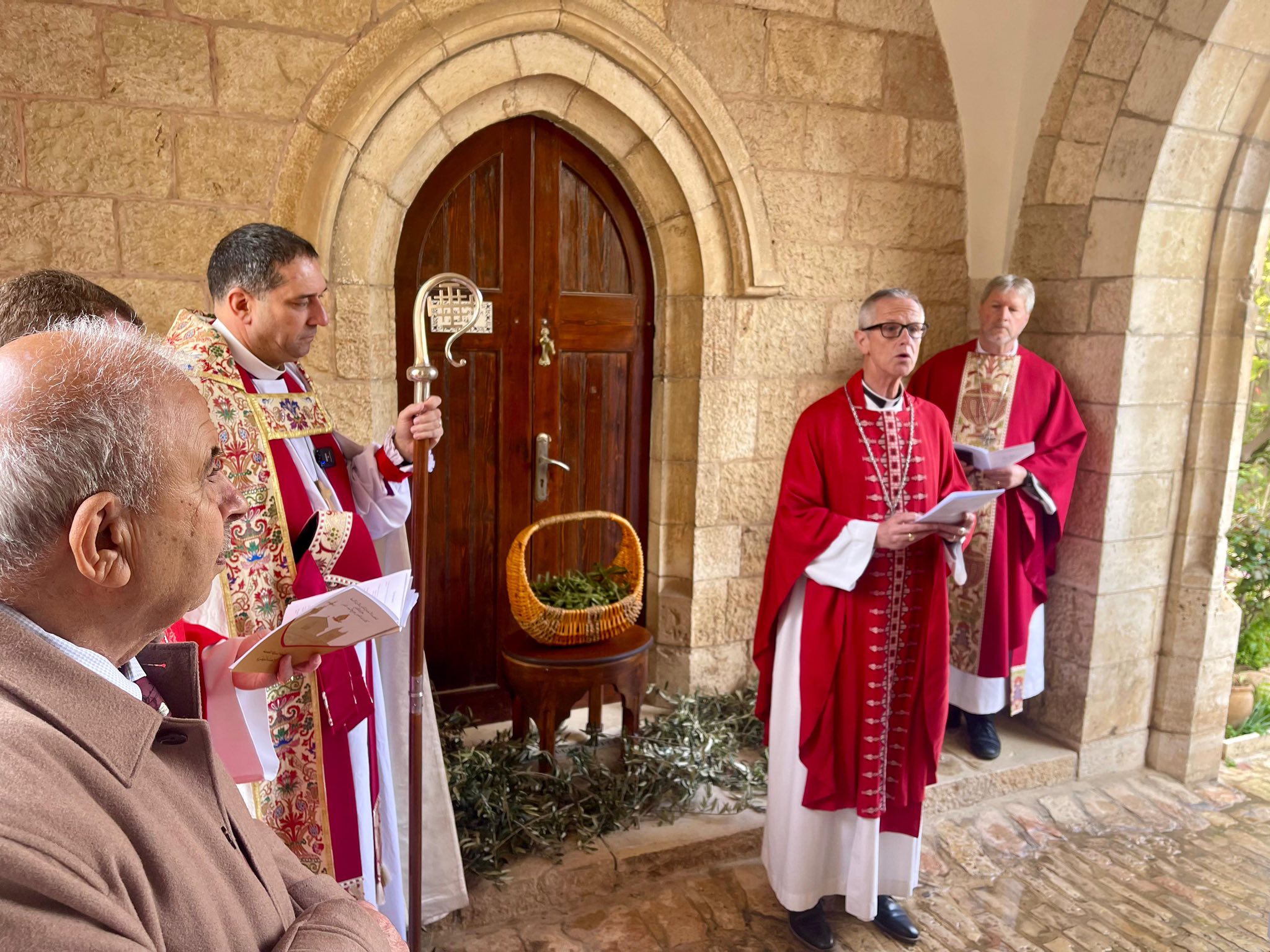
وفي هذا السياق، لا يمكننا أن نتجاهل واقعنا هنا في القدس. ففي هذا العام، تُلغى الاحتفالات الرسمية، وتغيب المسيرات التقليدية، ولا يسير الكشاف كما اعتدنا من بيت فاجي عبر جبل الزيتون إلى البلدة القديمة. يبدو وكأن صوت الفرح قد خفت، وكأن المظاهر قد سكتت.
لكن هل يمكن أن يسكت التسبيح؟
يجيبنا الإنجيل بوضوح. عندما طلب الفريسيون من يسوع أن يُسكِت تلاميذه، قال لهم:
“أَقُولُ لَكُمْ: إِنَّهُ إِنْ سَكَتَ هؤُلاَءِ، فَالْحِجَارَةُ تَصْرُخُ!” (لوقا 19: 40).
قد تُلغى المسيرات، قد تصمت الأصوات، قد تُقيَّد التقاليد، لكن لا شيء يستطيع أن يُخمد محبة الله، ولا أن يوقف عمل الخلاص. إن كان البشر يصمتون، فإن الخليقة نفسها تشهد. لأن ما يتم في أورشليم ليس مجرد حدث بشري، بل هو عمل إلهي يتجاوز كل حدود.
الحجارة التي في شوارع القدس، الجبال التي تحيط بها، الزيتون الذي يملأ أرضها—كلها تشهد أن الله دخل هذه المدينة، وتألم فيها، وقام منها.
وهذا يعطينا رجاء عميقًا في زمن الحرب والاضطراب. لأن الرسالة التي نسمعها في الشعانين هي أن طريق الصليب، مهما كان مؤلمًا، يقود إلى القيامة. وأن الظلمة، مهما اشتدت، لا تستطيع أن تغلب النور.
كما يقول الرسول بولس:
“فَإِنَّهُ لِذلِكَ رَفَّعَهُ اللهُ أَيْضًا، وَأَعْطَاهُ اسْمًا فَوْقَ كُلِّ اسْمٍ” (فيلبي 2: 9).
الإخلاء يقود إلى الامتلاء، التواضع يقود إلى المجد، الصليب يقود إلى القيامة.
فلندخل اليوم مع المسيح إلى أورشليم، ولكن بقلوب واعية. لنحمل أغصان الزيتون، ولكن أيضًا لنحمل الصليب. لنرتل “أوصنا”، ولكن أيضًا لنقبل أن نسير الطريق حتى النهاية.
لأن الذي دخل إلى أورشليم في ذلك اليوم، هو نفسه الذي يدعونا اليوم أن نسير معه، لكي ندخل معه إلى القبر الفارغ، حيث الحياة الجديدة، حيث الرجاء الذي لا يُخيب، وحيث نختبر أن محبة الله أقوى من الموت.
له المجد إلى الأبد. آمين.
Palm Sunday
The Most Reverend Hosam Naoum
Jerusalem 29/3/2026
Isaiah 50:4–9; Philippians 2:5–11; Matthew 27:11–54
In the Name of the Father, and of the Son, and of the Holy Spirit, one God. Amen.
Beloved in Christ,
On Palm Sunday, we stand at the threshold of Holy Week, carrying olive branches and proclaiming: “Hosanna to the Son of David! Blessed is the one who comes in the name of the Lord!” (Matthew 21:9). On this holy day, we enter into a profound mystery renewed in our lives: the mystery of entering Jerusalem, the mystery of the road to the Cross, and the mystery of hope that shines forth from the empty tomb.
Jerusalem is not merely a city in this story; it is the beating heart of salvation. It is the city God chose to be the stage for the greatest events of redemption. Toward it the prophets directed their steps; within it God’s promise to His people was fulfilled; and from it the Good News went out to the whole world. When Jesus drew near to Jerusalem, He looked upon it and wept (Luke 19:41), for He saw more than stones and streets—He saw God’s history with humanity, and also the hardness of heart that can reject this salvation.
Jesus’ entry into Jerusalem was not accidental or coincidental; it was a divine decision and the fulfillment of prophecies. As the Gospel says, “As he was now approaching the path down from the Mount of Olives, the whole multitude… began to praise God” (cf. Luke 19:28). He moves toward the city that will witness His suffering, yet He does so with full will, perfect love, and complete obedience to the Father’s purpose.
Here we discover a profound meaning in the Lord’s entry into the Holy City: that the road to glory passes through the Cross, and that entering Jerusalem is the beginning of the journey toward the empty tomb.
But what kind of entry is this? What kind of king enters the city?
Jesus does not enter as an earthly king, not on horses with armies, but “He found a young donkey and sat on it” (John 12:14), fulfilling the prophecy: “Lo, your king comes to you, humble, and mounted on a donkey” (Zechariah 9:9). It is a royal entry, yet a kingship of a different kind—a kingship of humility, of self-emptying, of self-giving love.
Here we reach the depth of the message presented to us by the Apostle Paul in his letter to the Philippians:
“Though he was in the form of God, he did not regard equality with God as something to be exploited, but emptied himself (kenosis), taking the form of a servant” (Philippians 2:6–7).
This is the mystery of Palm Sunday: not merely a triumphant entry, but one grounded in self-emptying and humility. Christ does not impose Himself as king; He offers Himself in love. This self-giving love leads Him to the wood of the Cross, so that the Cross becomes His throne. Christ does not seek glory; He gives Himself for the salvation of the world.
We too are called today to enter Jerusalem with Christ—not merely to wave branches, but to walk the path with Him; to enter Holy Week not as spectators but as participants; to carry our cross, as the Lord said: “If any want to become my followers, let them deny themselves and take up their cross daily and follow me” (Luke 9:23).
The true entry into Jerusalem is the entry of the heart into the mystery of redemption. It is to allow Christ to enter into our depths—our thoughts, our decisions, our relationships. It is to live the kenosis in our own lives—to let go of our selfishness, our pride, our attachment to self, so that we may be filled with the love of God.
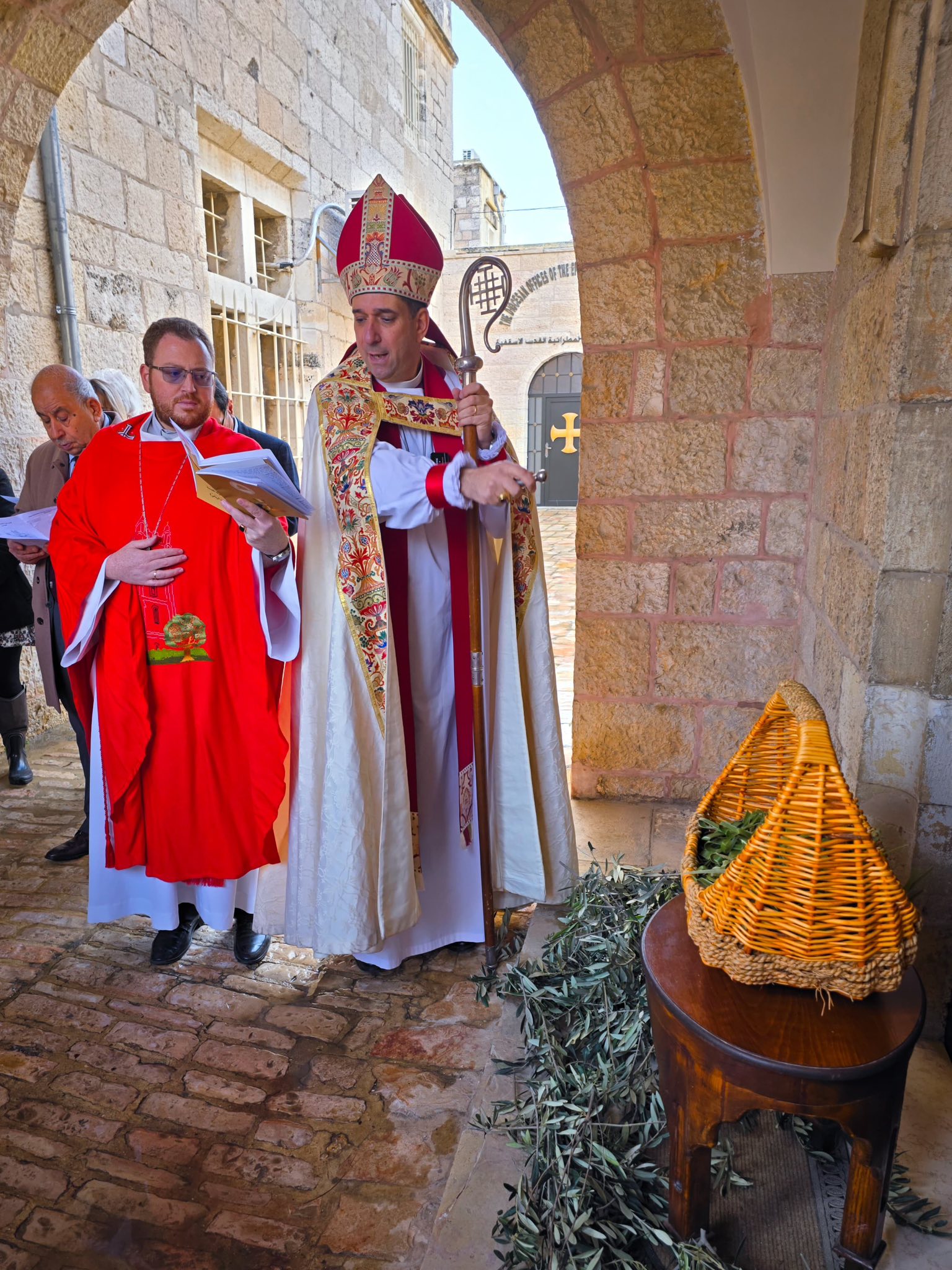
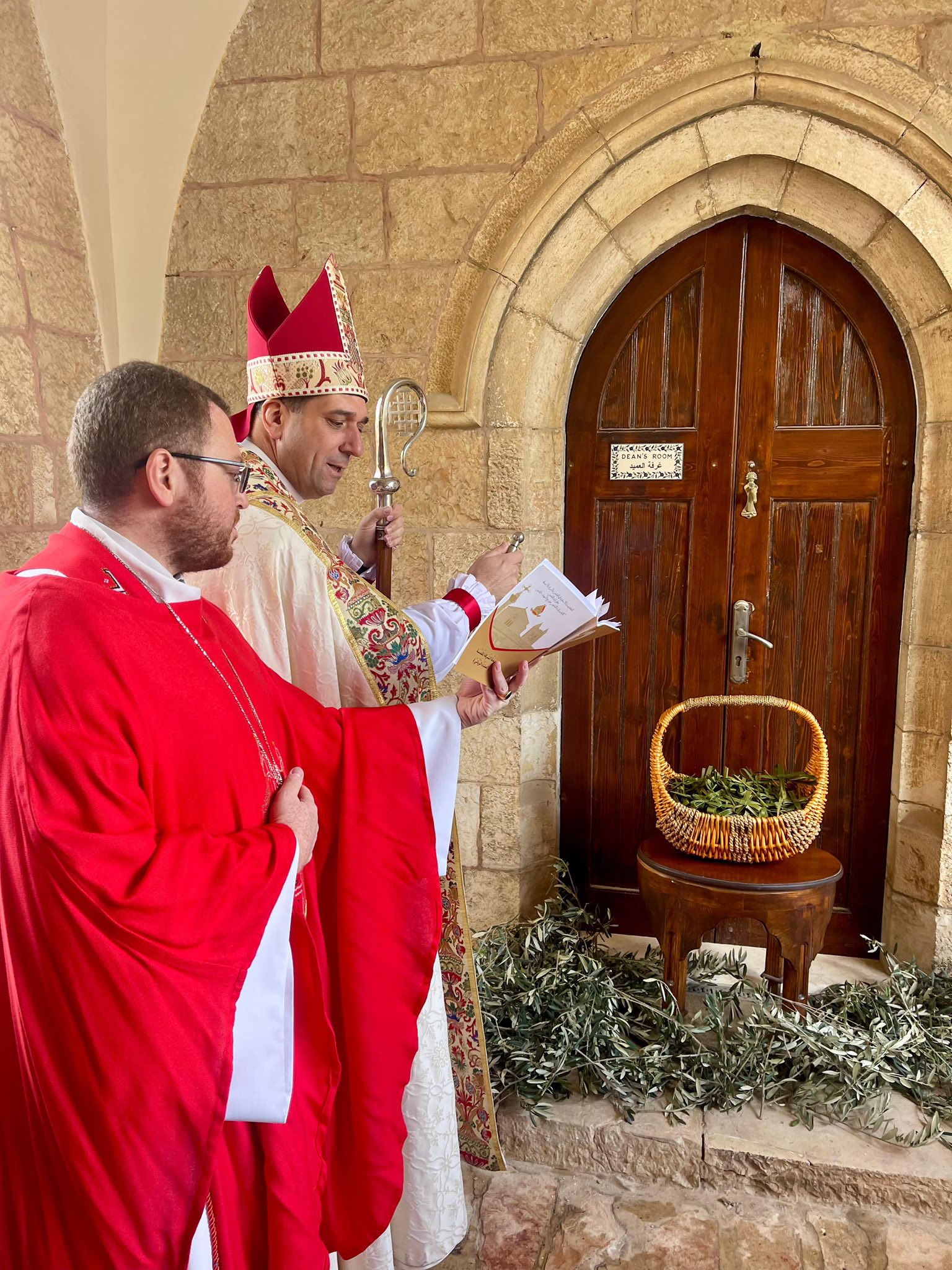
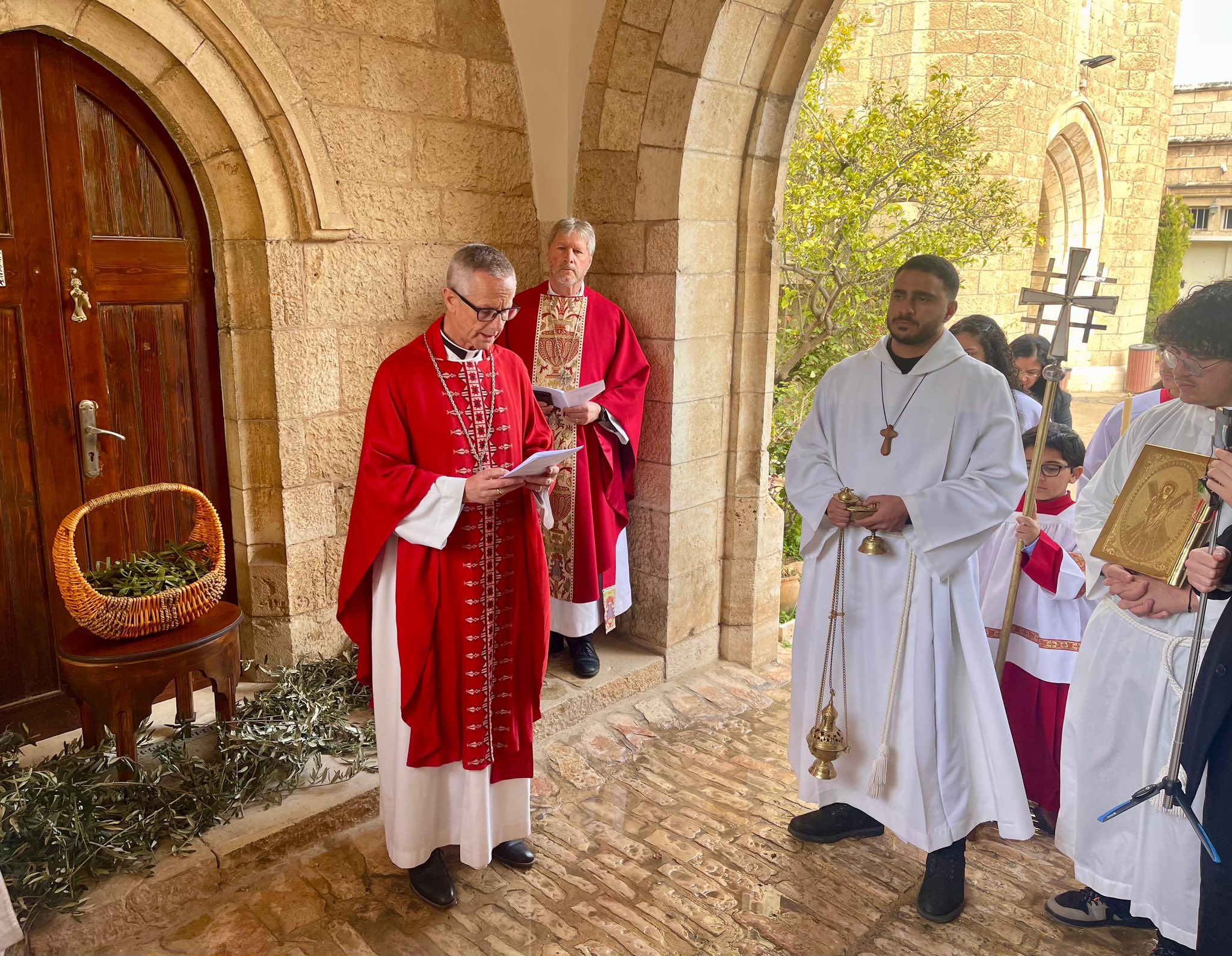
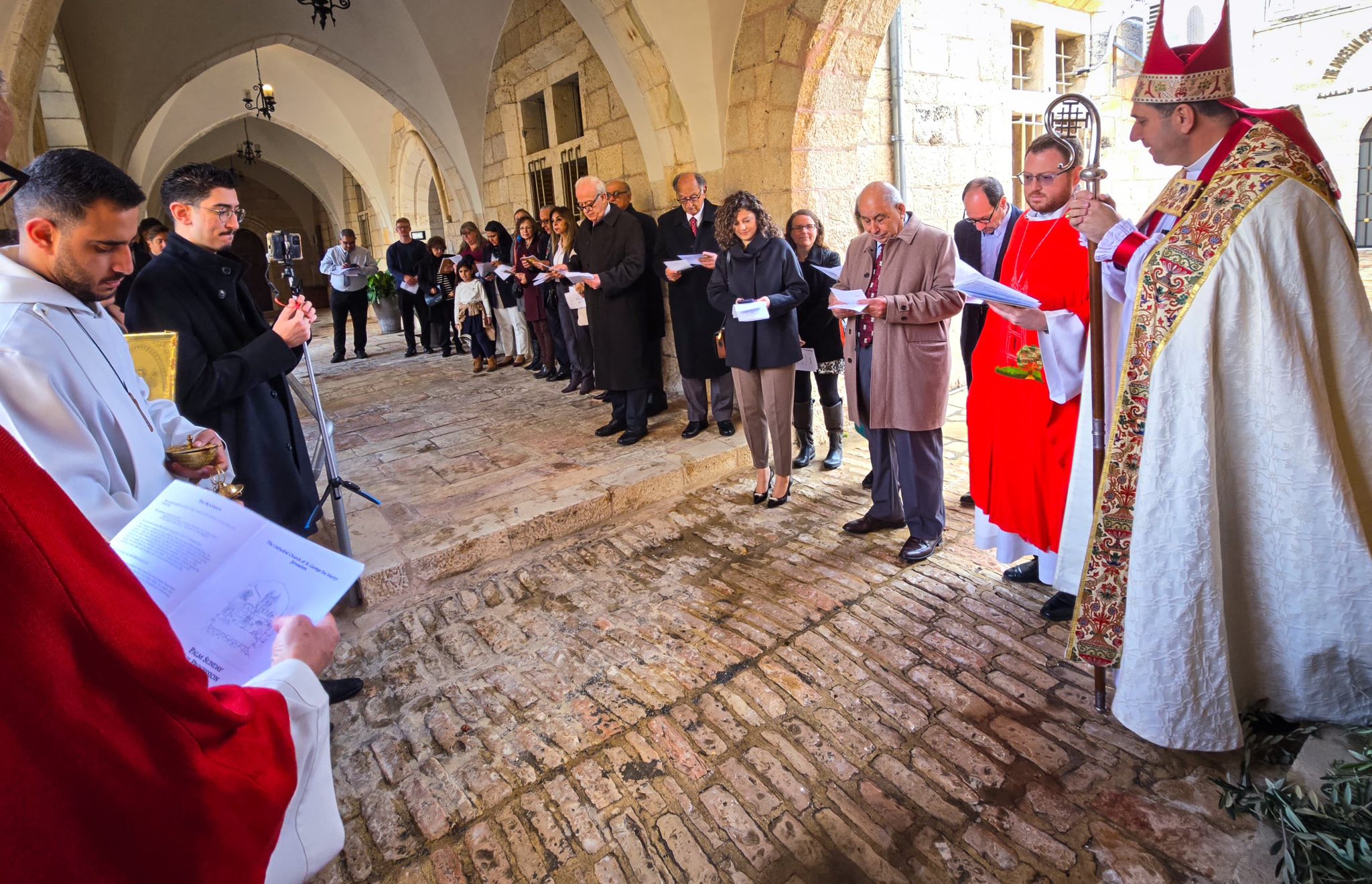
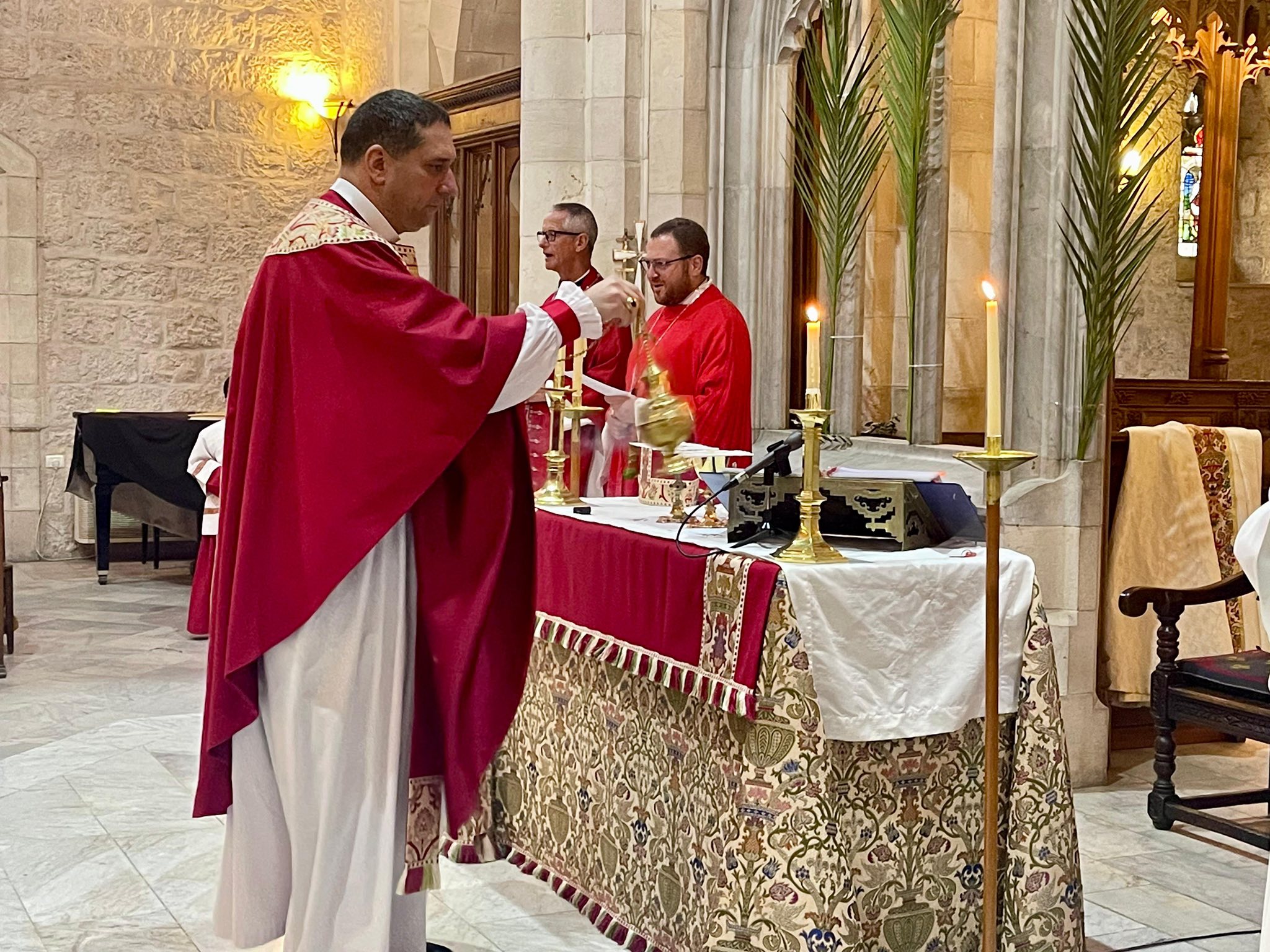
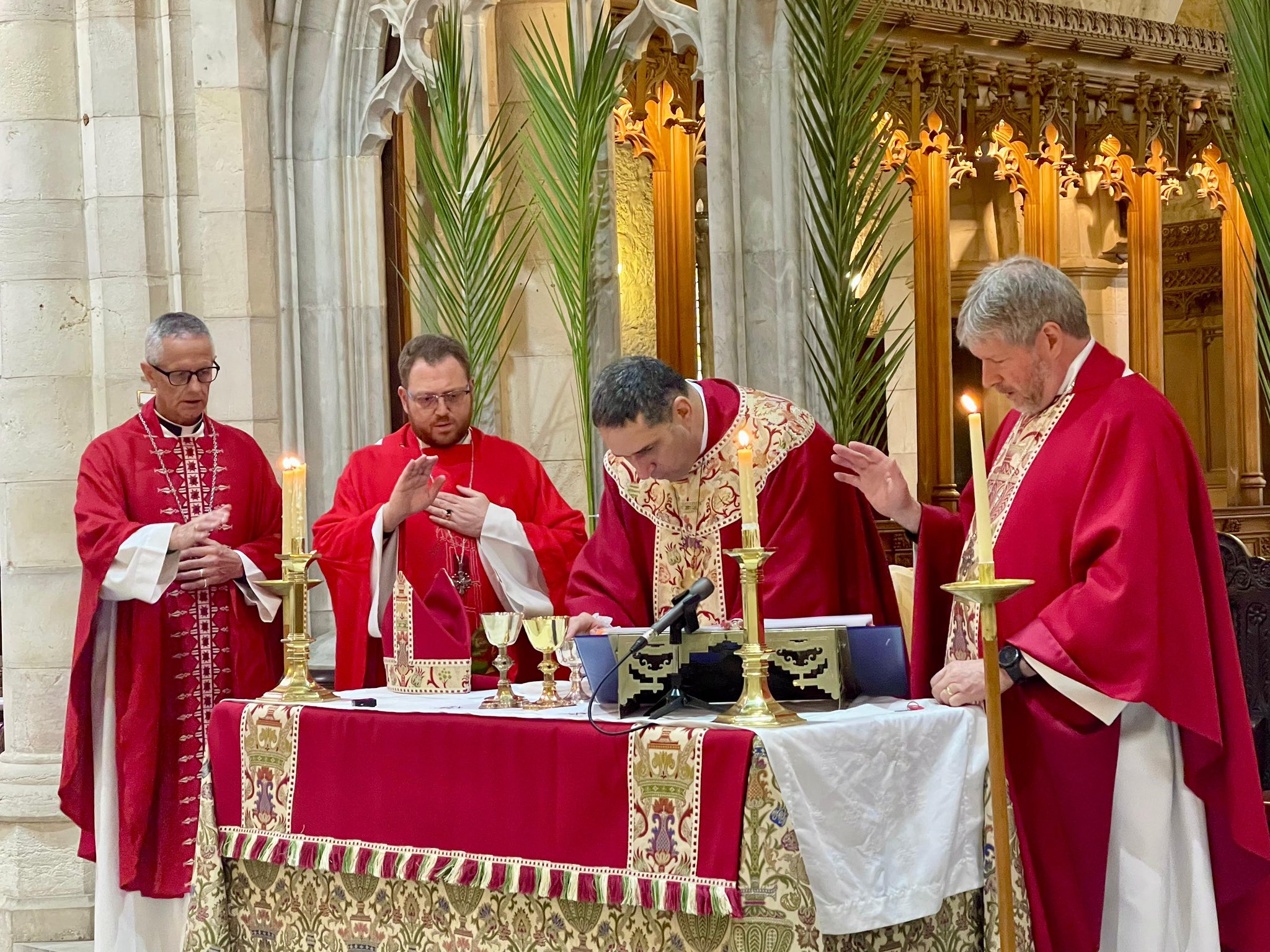
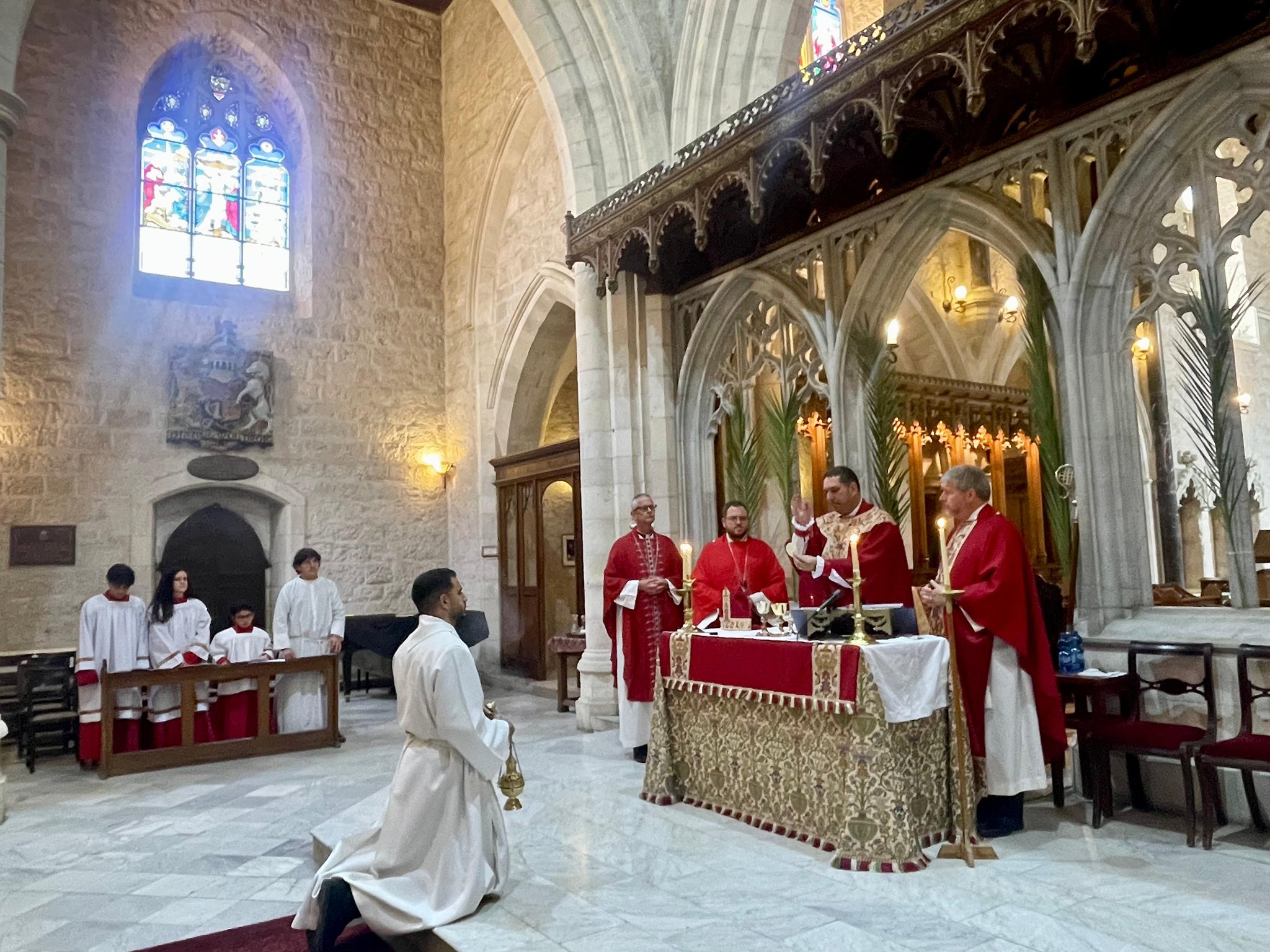
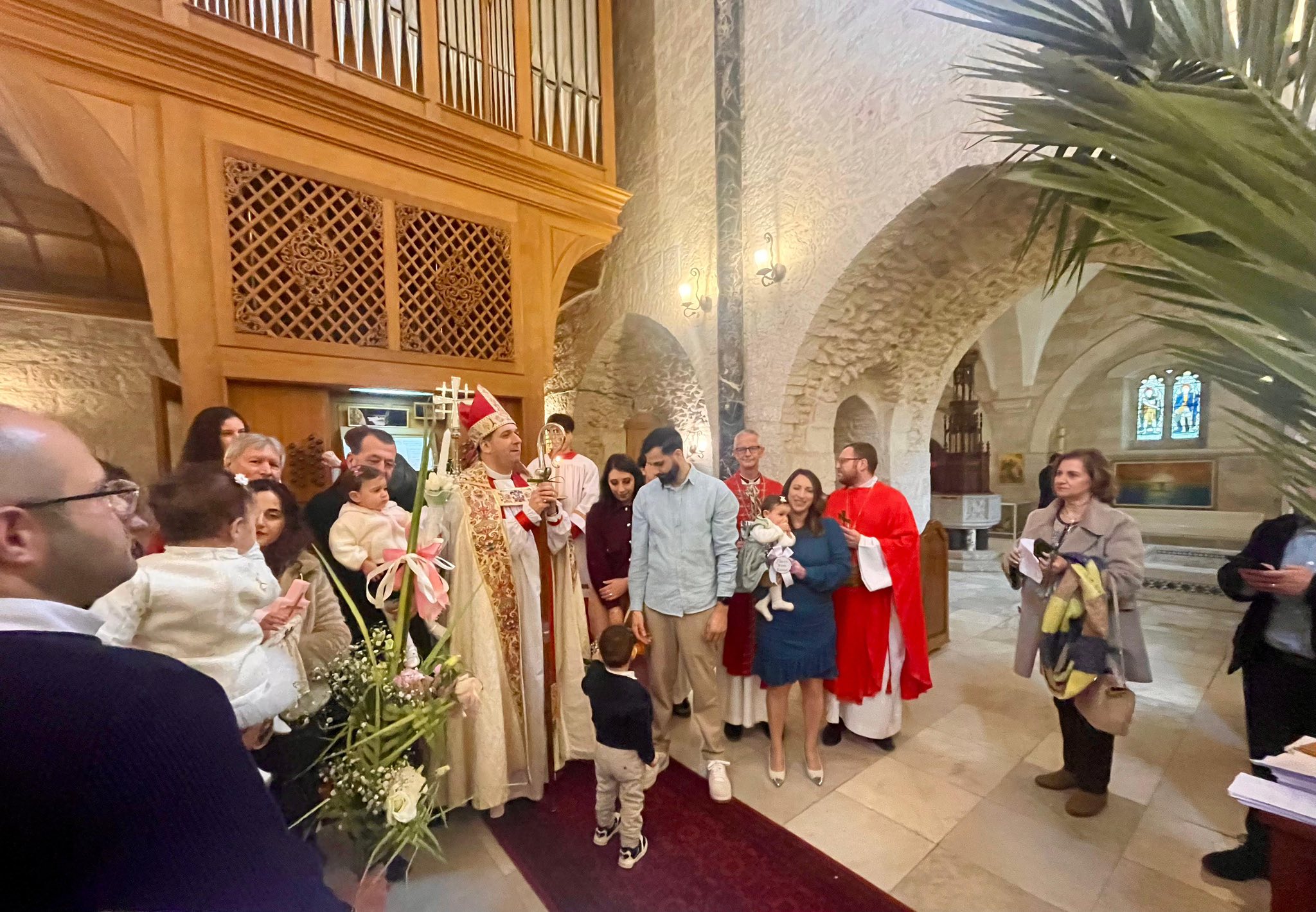
In this context, we cannot ignore our reality here in Jerusalem. This year, official celebrations are canceled, traditional processions are absent, and the scouts do not march as they used to—from Bethphage, through the Mount of Olives, into the Old City. It may seem as though the voice of joy has quieted, as though outward expressions have fallen silent.
But can praise truly be silenced?
The Gospel answers clearly. When the Pharisees asked Jesus to silence His disciples, He said:
“I tell you, if these were silent, the stones would shout out!” (Luke 19:40).
Processions may be canceled, voices may fall silent, traditions may be restrained—but nothing can extinguish the love of God or halt His saving work. If human voices are silenced, creation itself will bear witness. For what takes place in Jerusalem is not merely a human event, but a divine act that transcends all limits.
The stones of Jerusalem’s streets, the hills that surround it, the olive trees that fill its land—all bear witness that God entered this city, suffered within it, and rose from it.
And this gives us deep hope in a time of war and turmoil. For the message we hear on Palm Sunday is that the way of the Cross, however painful, leads to the Resurrection—and that darkness, no matter how deep, cannot overcome the light.
As the Apostle Paul says:
“Therefore God also highly exalted him and gave him the name that is above every name” (Philippians 2:9).
Self-emptying leads to fullness, humility leads to glory, the Cross leads to Resurrection.
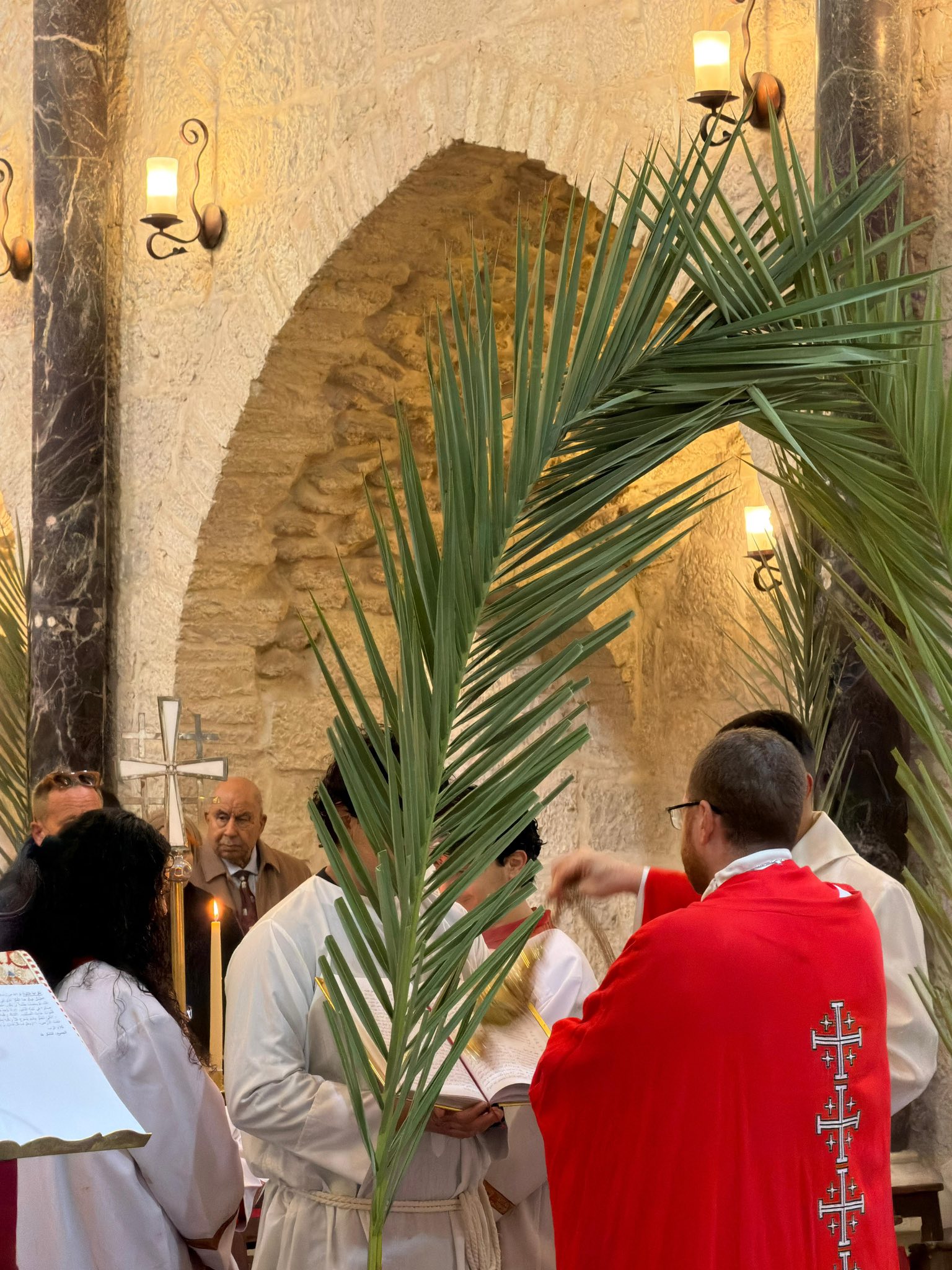
Let us enter Jerusalem today with Christ, with attentive hearts. Let us carry our olive and Palm branches—but also our crosses. Let us cry “Hosanna”—and also accept to walk the path to its end.
For the One who entered Jerusalem on that day is the same One who calls us today to walk with Him, so that we may enter with Him into the empty tomb—where new life is found, where hope does not disappoint, and where we discover that the love of God is stronger than death.
To Him be glory, now and forever. Amen.